


Hey there! As a cartridge seal supplier, I've seen firsthand how thermal expansion can throw a wrench into things. Let's dig into what thermal expansion is and how it affects cartridge seals.
First off, what's thermal expansion? Simply put, it's the tendency of matter to change in volume in response to a change in temperature. When things heat up, they usually expand, and when they cool down, they contract. This basic principle might seem harmless, but it can have some serious implications for cartridge seals.
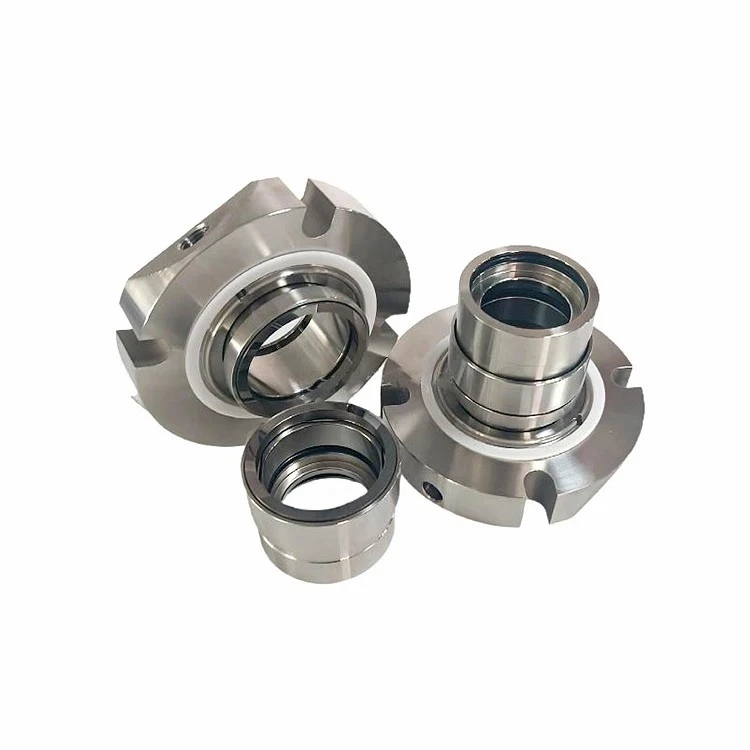
Cartridge seals are a big deal in a bunch of industries. They're used to prevent leakage in pumps, compressors, and other equipment where fluids are involved. They're pre - assembled units that make installation a breeze and offer better sealing performance compared to traditional seals. But thermal expansion can mess with their functionality.
One of the main effects of thermal expansion on cartridge seals is dimensional changes. When the temperature rises, the components of the cartridge seal, like the seal faces, housing, and elastomers, start to expand. If these expansions aren't accounted for, it can lead to a whole host of problems.
Let's talk about the seal faces. These are the critical parts that actually do the sealing job. When they expand due to heat, the contact pressure between the faces can change. If the expansion causes too much pressure, it can lead to excessive wear and tear. The seal faces might start to overheat even more, and this can cause premature failure. On the other hand, if the expansion reduces the contact pressure, the seal might start to leak. This is a major no - no in industries where leakage can mean safety hazards, environmental issues, or costly product losses.
The housing of the cartridge seal is also affected. The housing is designed to hold all the components in place and provide a stable environment for the seal to work. Thermal expansion can cause the housing to distort. If the housing warps, it can misalign the seal faces. Misaligned seal faces won't seal properly, and again, you're looking at potential leakage.
Elastomers, which are used in cartridge seals for things like O - rings and gaskets, are particularly sensitive to thermal expansion. Elastomers have a high coefficient of thermal expansion, which means they expand a lot when heated. When they expand, they can lose their shape and elasticity. This can lead to a loss of the sealing function. For example, an O - ring that expands too much might not fit properly in its groove, allowing fluid to leak past it.
Now, let's look at some of our products and how thermal expansion might impact them. Take the MOR 48LP mechanical seal. This seal is designed for a variety of applications, but thermal expansion needs to be considered. The materials used in the MOR 48LP are carefully selected to handle a certain range of temperatures. However, if the temperature goes beyond that range, the seal faces and elastomers might expand in an unpredictable way.
The MOR JCS1C single acting hydraulic cylinder seals are another example. These seals are used in hydraulic systems, where temperature changes can be significant. Thermal expansion can affect the fit of the seals in the cylinders. If the seals expand too much, they can cause increased friction, which can lead to higher energy consumption and reduced efficiency of the hydraulic system.
The MOR M481KL mechanical seal is also vulnerable to thermal expansion. This seal is often used in high - temperature applications, and the designers have tried to account for thermal effects. But in extreme conditions, the expansion of the components can still pose challenges.

So, what can we do to mitigate the effects of thermal expansion on cartridge seals? Well, one option is to choose the right materials. We can use materials with low coefficients of thermal expansion. For example, some advanced ceramics have relatively low expansion rates, and they can be used for seal faces. This helps to keep the contact pressure between the faces more stable over a wider temperature range.
Proper installation is also crucial. During installation, it's important to make sure that there's enough clearance for the components to expand. This can prevent over - stressing the parts when they heat up.
Regular maintenance and monitoring are key. By keeping an eye on the operating temperature of the equipment and the performance of the cartridge seal, we can catch any signs of trouble early. If we notice that the seal is starting to leak or the temperature is rising abnormally, we can take action before it's too late.
In conclusion, thermal expansion is a significant factor that can affect the performance and lifespan of cartridge seals. As a cartridge seal supplier, we're constantly working on improving our products to better handle thermal effects. We're researching new materials, refining our designs, and providing better installation and maintenance guidelines.
If you're in the market for cartridge seals and want to learn more about how we can help you deal with thermal expansion, don't hesitate to reach out. We're here to help you find the right solutions for your specific applications. Whether it's for a small - scale industrial project or a large - scale manufacturing operation, we've got the expertise and the products to meet your needs. Let's have a chat and see how we can work together to keep your equipment running smoothly.
References
- "Sealing Technology Handbook" by John S. Ruddy
- "Mechanical Seals: Principles and Applications" by Klaus - Dieter Möhring


