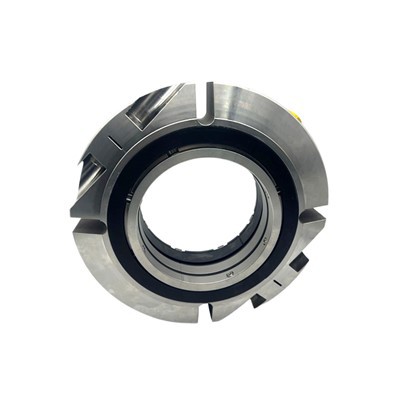
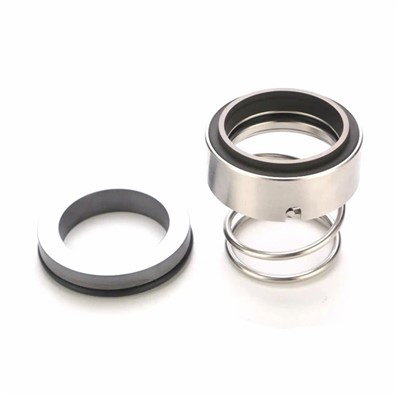
Hey there! As a split seal supplier, I've gotten tons of questions about how these nifty little devices work. So, I thought I'd break down the sealing mechanism of a split seal in a way that's easy to understand.
Let's start with the basics. A split seal is a type of mechanical seal that's designed to be installed without having to disassemble the equipment. This is a huge advantage, especially in industries where downtime can be really costly. You know, like in the chemical, pharmaceutical, and food and beverage industries.
The main job of a split seal is to prevent the leakage of fluids, like liquids or gases, between two components that are moving relative to each other, usually a rotating shaft and a stationary housing. There are a few key components that make up a split seal, and each one plays an important role in the sealing mechanism.
Key Components of a Split Seal
First up, we've got the seal faces. These are the surfaces that come into contact with each other to create the seal. They're usually made from materials like carbon, ceramic, or silicon carbide. The choice of material depends on the specific application. For example, if you're dealing with a corrosive fluid, you'd want to use a more resistant material like silicon carbide.
Next, there are the secondary seals. These are usually O - rings or gaskets that help to prevent leakage around the edges of the seal faces. They're made from elastomers like nitrile, Viton, or EPDM, again depending on the chemical compatibility with the fluid being sealed.
The springs are another crucial part. They provide the necessary force to keep the seal faces in contact with each other. This force is important because it helps to maintain the integrity of the seal, even when there are changes in pressure or temperature.
How the Sealing Mechanism Works
Okay, so let's get into how all these components work together to create a seal. When the split seal is installed, the seal faces are brought into contact with each other. The springs apply a force that presses the seal faces together, creating a tight seal.
As the shaft rotates, the seal faces slide against each other. This sliding action needs to be smooth to prevent excessive wear. That's where the lubrication comes in. The fluid being sealed often acts as a lubricant between the seal faces, reducing friction and heat generation.
The secondary seals, like the O - rings, prevent any fluid from leaking around the edges of the seal faces. They form a barrier that keeps the fluid contained within the equipment.
Now, let's talk about some of the different types of split seals we offer. We've got the MOR S029 John Crane Split Seal. This one is great for applications where you need a high - performance seal. It's designed to handle a wide range of pressures and temperatures, and it's very reliable.
Another popular option is the MOR S025 Split Seals for Shafts. These are ideal for smaller shafts and are known for their easy installation. They're also very cost - effective, which makes them a great choice for budget - conscious customers.
And then there's the MOR S031 Split Cartridge Mechanical Seal. This is a more advanced type of split seal. It comes pre - assembled in a cartridge, which makes installation even easier. It's also very accurate in terms of alignment, which helps to ensure a long - lasting and effective seal.
Factors Affecting the Sealing Performance
There are a few factors that can affect how well a split seal works. One of the most important is the fluid being sealed. Different fluids have different properties, like viscosity, chemical composition, and temperature. For example, a high - viscosity fluid might require a different type of seal face material or spring force compared to a low - viscosity fluid.
The pressure and temperature of the system also play a big role. High pressures can cause the seal faces to deform, which can lead to leakage. Similarly, high temperatures can affect the properties of the elastomers in the secondary seals, causing them to harden or lose their elasticity.
The speed of the rotating shaft is another factor. At high speeds, the friction between the seal faces can increase, leading to more wear. This means that you might need to use a different type of material or design for high - speed applications.
Maintenance and Troubleshooting
Proper maintenance is key to ensuring the long - term performance of a split seal. Regular inspections are important to check for signs of wear or damage. You should look for things like cracks in the seal faces, wear on the O - rings, or any signs of leakage.
If you notice any problems, it's important to address them quickly. For example, if you see a small leak, it could be a sign that the seal faces are not properly aligned or that the springs have lost their tension. In some cases, you might be able to adjust the seal or replace a worn - out component.
However, if the damage is more severe, you might need to replace the entire split seal. This is where our expertise as a split seal supplier comes in. We can help you choose the right replacement seal and provide guidance on the installation process.
Why Choose Our Split Seals
As a split seal supplier, we pride ourselves on offering high - quality products. Our split seals are made with the best materials and are designed to meet the highest standards. We've got a wide range of products to choose from, so no matter what your application is, we're likely to have a split seal that will work for you.
We also offer great customer service. Our team of experts is always available to answer your questions and provide technical support. Whether you need help choosing the right seal or you're having trouble with an installation, we're here to help.
Contact Us for Your Split Seal Needs
If you're in the market for a split seal, we'd love to hear from you. Whether you're a small business or a large industrial company, we can provide you with the right solution for your sealing needs. Don't hesitate to reach out to us for more information or to start a procurement discussion. We're confident that we can offer you a split seal that will meet your requirements and exceed your expectations.


References
- "Mechanical Seals: Principles and Applications" by John S. Campbell
- "Handbook of Seal Technology" by Robert K. Stokes