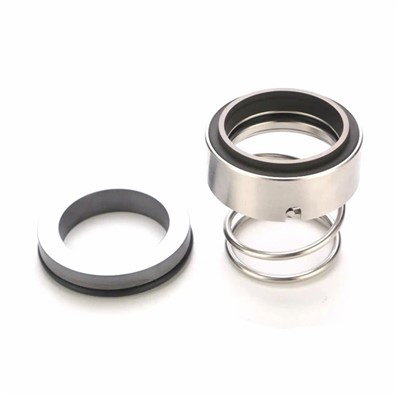
Seal support systems play a crucial role in ensuring the efficient and reliable operation of various industrial equipment, especially in applications where seals are used to prevent leakage of fluids. As a supplier of seal support systems, I've witnessed firsthand the impact of seal failure on industrial processes. In this blog, I'll delve into the signs of seal failure in a seal support system, helping you identify issues early and take preventive measures.
1. Leakage
One of the most obvious signs of seal failure is leakage. Leakage can occur in different forms, such as visible drips, puddles, or even a continuous stream of fluid. It can be a clear indication that the seal is no longer able to contain the fluid within the system. Leakage not only leads to loss of product but can also pose safety hazards, especially if the fluid is toxic, flammable, or corrosive.
There are several reasons why leakage might occur. Firstly, wear and tear over time can cause the seal material to degrade, reducing its ability to form a tight seal. Secondly, improper installation can lead to misalignment of the seal, causing gaps through which fluid can escape. Thirdly, excessive pressure or temperature within the system can cause the seal to deform, leading to leakage.
If you notice any signs of leakage, it's important to address the issue immediately. This might involve replacing the seal, adjusting the operating conditions, or re - installing the seal correctly.
2. Increased Temperature
An increase in temperature within the seal support system can be a sign of seal failure. Seals generate heat during normal operation due to friction. However, if the temperature rises significantly above the normal operating range, it could indicate that the seal is not functioning properly.
When a seal fails, the friction between the moving parts can increase, generating more heat. Additionally, leakage can also lead to a loss of lubrication, further increasing friction and temperature. High temperatures can cause the seal material to expand, contract, or even melt, leading to further damage and potential failure.
Monitoring the temperature of the seal support system is crucial. You can use temperature sensors to keep track of the temperature and set up alarms to alert you if the temperature exceeds a certain threshold. If you detect an abnormal increase in temperature, you should investigate the cause and take corrective action, such as replacing the seal or improving the cooling system.

![@N%CHK7N3V]U6YN0`{A1RFC](/uploads/202542744/mor-seal-support-systemee7fdde7-24e4-49da-b65e-f04f6a44a4c2.jpg)
3. Noise and Vibration
Unusual noise and vibration can also be signs of seal failure. When a seal is damaged or worn, it can cause the moving parts to become misaligned or unstable. This can result in increased noise and vibration within the system.
Noise can range from a slight rattling to a loud screeching sound. Vibration can be felt as a shaking or trembling of the equipment. These symptoms can indicate that the seal is no longer providing a smooth and stable operation.
Noise and vibration can also be caused by other factors, such as loose components or misaligned shafts. However, if you notice these symptoms in conjunction with other signs of seal failure, such as leakage or increased temperature, it's likely that the seal is the problem. You should inspect the seal and the surrounding components to identify and fix the issue.
4. Pressure Fluctuations
Pressure fluctuations within the seal support system can be a sign of seal failure. Seals are designed to maintain a certain pressure within the system. If the seal fails, it can cause the pressure to fluctuate.
A sudden drop in pressure can indicate that there is a leak in the system. On the other hand, a sudden increase in pressure can be a sign of a blockage or a restriction in the flow of fluid. Pressure fluctuations can also affect the performance of other components in the system, leading to further damage.
Monitoring the pressure of the seal support system is essential. You can use pressure gauges to measure the pressure and record any fluctuations. If you notice significant pressure changes, you should investigate the cause and take appropriate action, such as repairing the seal or clearing the blockage.
5. Contamination
Contamination of the fluid within the seal support system can be a sign of seal failure. When a seal fails, it can allow contaminants, such as dirt, dust, or debris, to enter the system. Contamination can also occur if the fluid is not properly filtered or if there is a leak in the system that allows external contaminants to enter.
Contaminated fluid can cause damage to the seal and other components in the system. It can increase friction, wear, and corrosion, leading to premature failure. You can detect contamination by visually inspecting the fluid or by performing chemical analysis.
If you find that the fluid is contaminated, you should replace the fluid and clean the system thoroughly. You may also need to replace the seal to prevent further contamination.
6. Reduced Performance
A reduction in the performance of the equipment can be a sign of seal failure. If the seal is not functioning properly, it can affect the efficiency and reliability of the entire system. For example, in a pumping system, a failed seal can cause a decrease in flow rate, pressure, or power output.
Reduced performance can also be caused by other factors, such as worn - out components or improper maintenance. However, if you notice a significant drop in performance along with other signs of seal failure, it's likely that the seal is the root cause. You should evaluate the performance of the system and take steps to replace or repair the seal.
Preventive Measures
As a supplier of seal support systems, I recommend taking preventive measures to avoid seal failure. Regular maintenance is crucial. This includes inspecting the seals, checking the fluid levels and quality, and replacing worn - out components.
Proper installation is also essential. Make sure that the seals are installed correctly according to the manufacturer's instructions. Using high - quality seals and seal support systems can also improve the reliability and longevity of the equipment.
If you're looking for a reliable seal support system, consider our MOR Seal Support System with API 52 53 53B 53C 54 Seal Plans. Our systems are designed to meet the highest industry standards and provide optimal performance.
Conclusion
Seal failure in a seal support system can have serious consequences for industrial operations. By being aware of the signs of seal failure, such as leakage, increased temperature, noise and vibration, pressure fluctuations, contamination, and reduced performance, you can identify issues early and take appropriate action.
If you suspect that your seal support system is experiencing problems, don't hesitate to contact us. We have a team of experts who can provide you with professional advice and solutions. Whether you need a new seal support system or just some maintenance tips, we're here to help. Let's work together to ensure the smooth and efficient operation of your industrial equipment.
References
- API Standard 682, "Seal Support Systems for Pumps", American Petroleum Institute.
- ASME B73.1, "Process Centrifugal Pumps - Horizontal End Suction Single - Stage Pumps", American Society of Mechanical Engineers.
- Various manufacturer's technical manuals on seal support systems.