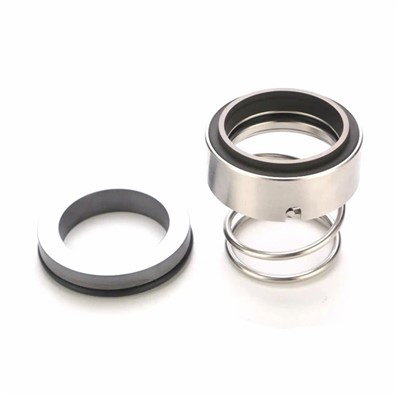
Do metal bellow seals require a specific installation orientation? This is a question that often arises among engineers, technicians, and those involved in the maintenance and operation of industrial equipment. As a supplier of metal bellow seals, I've encountered this query numerous times, and I'm excited to share my insights on this topic.
Understanding Metal Bellow Seals
Before we delve into the installation orientation, let's first understand what metal bellow seals are. Metal bellow seals are a type of mechanical seal used in various applications, including pumps, compressors, and other rotating equipment. They are designed to prevent the leakage of fluids, such as water, oil, and chemicals, from the equipment.
The metal bellows in these seals act as a flexible element that compensates for axial, radial, and angular movements of the shaft. This flexibility allows the seal to maintain a tight seal even under dynamic conditions. Metal bellow seals are known for their durability, reliability, and ability to withstand high pressures and temperatures.
The Importance of Installation Orientation
The installation orientation of metal bellow seals can have a significant impact on their performance and lifespan. In some cases, a specific installation orientation is required to ensure proper functioning of the seal. Here are some factors to consider:
-
Fluid Flow Direction: The direction of fluid flow can affect the performance of the seal. In general, the seal should be installed in such a way that the fluid flow helps to keep the seal faces in contact. This can prevent leakage and ensure a longer seal life. For example, in a pump application, the seal should be installed so that the fluid flow is from the high-pressure side to the low-pressure side.
-
Gravity: Gravity can also play a role in the installation orientation of metal bellow seals. In vertical applications, the seal should be installed to ensure that any accumulated fluid or debris can drain away from the seal faces. This can prevent the formation of a hydrostatic head that could cause the seal to leak.
-
Shaft Movement: The axial, radial, and angular movements of the shaft can affect the performance of the seal. The installation orientation should be chosen to minimize the impact of these movements on the seal. For example, in applications where the shaft experiences significant axial movement, the seal should be installed to allow for this movement without causing excessive stress on the seal.
Specific Installation Orientations for Different Types of Metal Bellow Seals
There are several types of metal bellow seals available, each with its own specific installation requirements. Here are some examples:
-
Single Spring Metal Bellow Seals: These seals are typically installed with the spring facing the high-pressure side. This helps to ensure that the spring force is used to keep the seal faces in contact.
-
Multi-Spring Metal Bellow Seals: Multi-spring seals can be installed in either direction, depending on the application. However, it's important to ensure that the springs are evenly distributed to provide uniform pressure on the seal faces.


-
Balanced Metal Bellow Seals: Balanced seals are designed to reduce the pressure differential across the seal faces. These seals can be installed in various orientations, but it's important to follow the manufacturer's guidelines to ensure proper performance.
Case Studies
Let's look at some real-world examples of the importance of installation orientation in metal bellow seals.
Case Study 1: A manufacturing plant was experiencing frequent seal failures in a pump that was used to transfer a corrosive chemical. After a thorough investigation, it was found that the seals were installed in the wrong orientation. The fluid flow was causing the seal faces to separate, leading to leakage. By installing the seals in the correct orientation, the plant was able to reduce seal failures and improve the reliability of the pump.
Case Study 2: A power generation facility was using metal bellow seals in a compressor. The seals were installed vertically, but the orientation was not optimized for the direction of fluid flow. As a result, the seals were experiencing excessive wear and tear, and the maintenance costs were high. By changing the installation orientation to ensure proper fluid flow and drainage, the facility was able to extend the life of the seals and reduce maintenance costs.
Our Product Offerings
As a leading supplier of metal bellow seals, we offer a wide range of products to meet the needs of various industries. Our products include the MOR LBG Cartridge Metal Bellow Seal, the Equivalent To MFL85N Metal Mechanical Seal, and the MOR BXHHB BXH api mechanical seal.
These seals are designed and manufactured to the highest quality standards, ensuring reliable performance and long service life. Our team of experts can provide you with detailed installation instructions and technical support to ensure that you install the seals correctly.
Conclusion
In conclusion, metal bellow seals may require a specific installation orientation depending on the application. Factors such as fluid flow direction, gravity, and shaft movement should be considered when determining the correct installation orientation. By following the manufacturer's guidelines and best practices, you can ensure the proper performance and longevity of the seals.
If you're in the market for metal bellow seals or have any questions about installation orientation, we'd be happy to help. Contact us today to discuss your requirements and explore how our products can meet your needs.
References
- Mechanical Seals Handbook, John Wiley & Sons
- Industrial Sealing Technology, Elsevier