


Hey there! As a supplier of carbon ring seals, I often get asked about various technical aspects of these seals. One question that pops up quite frequently is, "What is the thermal expansion coefficient of a carbon ring seal?" In this blog post, I'm gonna break it down for you in a way that's easy to understand.
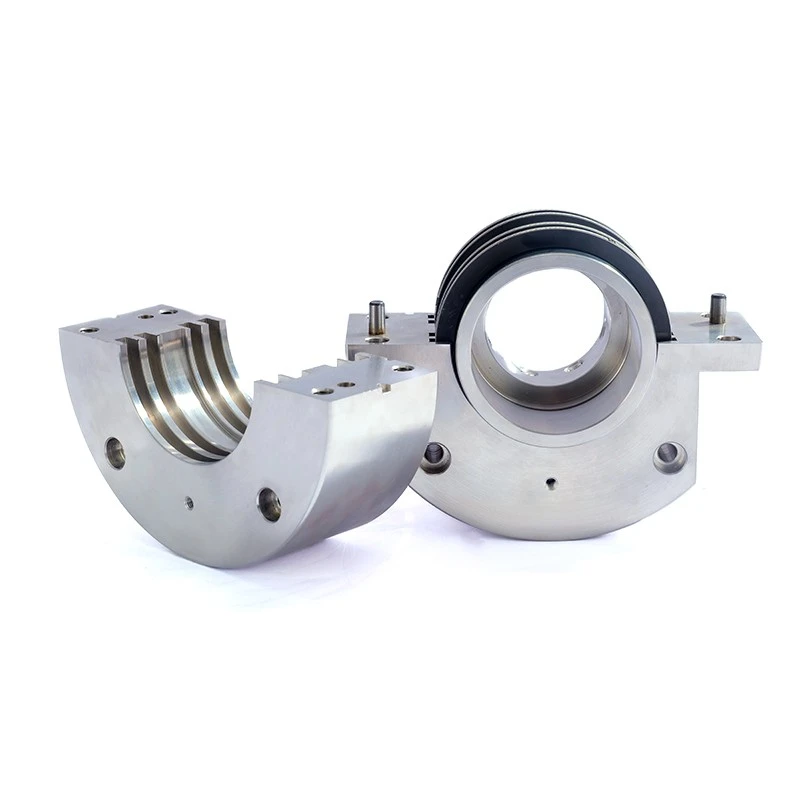
First off, let's quickly go over what a carbon ring seal is. Carbon ring seals are widely used in different industries, especially in compressors like screw compressors. They're super important for preventing leakage of gases or fluids in these machines. For example, our MOR CRS929 Carbon Ring Seal For Screw Compressor is designed specifically for screw compressors, and it does an amazing job of keeping things sealed up tight.
Now, let's talk about the thermal expansion coefficient. In simple terms, it's a measure of how much a material expands or contracts when its temperature changes. Every material has its own unique thermal expansion coefficient, and carbon ring seals are no exception.
The thermal expansion coefficient of a carbon ring seal is crucial because in many applications, these seals are exposed to different temperatures. For instance, in a compressor, the temperature can vary significantly during operation. If the carbon ring seal doesn't expand or contract properly with the temperature changes, it can lead to all sorts of problems. It might not fit snugly anymore, which could result in leakage. And we definitely don't want that!
Carbon ring seals are usually made from a type of carbon material that has a relatively low thermal expansion coefficient. This is a good thing because it means that the seal won't change its size too much when the temperature fluctuates. This stability is essential for maintaining a good seal over a wide range of operating conditions.
Let's take a closer look at why a low thermal expansion coefficient matters. When a carbon ring seal is installed in a compressor, it's designed to fit precisely in its housing. If the temperature goes up and the seal expands too much, it could jam in the housing. This could cause excessive wear on the seal and other components in the compressor, leading to a shorter lifespan for the equipment. On the other hand, if the temperature drops and the seal contracts too much, there could be gaps between the seal and the housing, allowing gases or fluids to leak out.
Another factor to consider is the type of carbon used in the seal. Different carbon materials can have slightly different thermal expansion coefficients. At our company, we carefully select the carbon materials for our seals to ensure that they have the right properties. We test and evaluate these materials to make sure they can handle the temperature variations in different applications.
Our Split Carbon Ring Seal with Isolation Gas is a great example of a product where the thermal expansion coefficient plays a key role. This type of seal is often used in applications where there's a need for an extra layer of protection against leakage. The isolation gas helps to create a barrier, but the seal itself still needs to maintain its integrity under different temperatures.
So, how do we measure the thermal expansion coefficient of a carbon ring seal? Well, there are several methods. One common way is to use a dilatometer. This device measures the change in length of a sample of the carbon material as the temperature is increased or decreased. By measuring the change in length and knowing the original length of the sample, we can calculate the thermal expansion coefficient.
It's also important to note that the thermal expansion coefficient can be affected by other factors besides just the material itself. For example, the manufacturing process can have an impact. If the carbon ring seal is not manufactured properly, it might have internal stresses that can affect how it expands and contracts with temperature changes.
In addition to the thermal expansion coefficient, there are other properties of carbon ring seals that are important to consider. These include hardness, wear resistance, and chemical resistance. All of these properties work together to make a high - quality carbon ring seal.
If you're in the market for carbon ring seals, it's essential to choose a supplier who understands these technical aspects. We've been in the business for a long time, and we know how to make carbon ring seals that perform well under different conditions. Whether you need a seal for a screw compressor or any other application, we can provide you with the right product.
If you have any questions about our carbon ring seals or want to discuss your specific requirements, don't hesitate to reach out. We're always happy to help you find the best solution for your needs. Whether it's about the thermal expansion coefficient or any other aspect of our products, we're here to assist you. So, if you're looking to purchase carbon ring seals, let's start a conversation and see how we can work together to meet your goals.

References
- Various industry standards and research on carbon materials and their properties.
- Internal research and testing data from our company on carbon ring seal performance.


